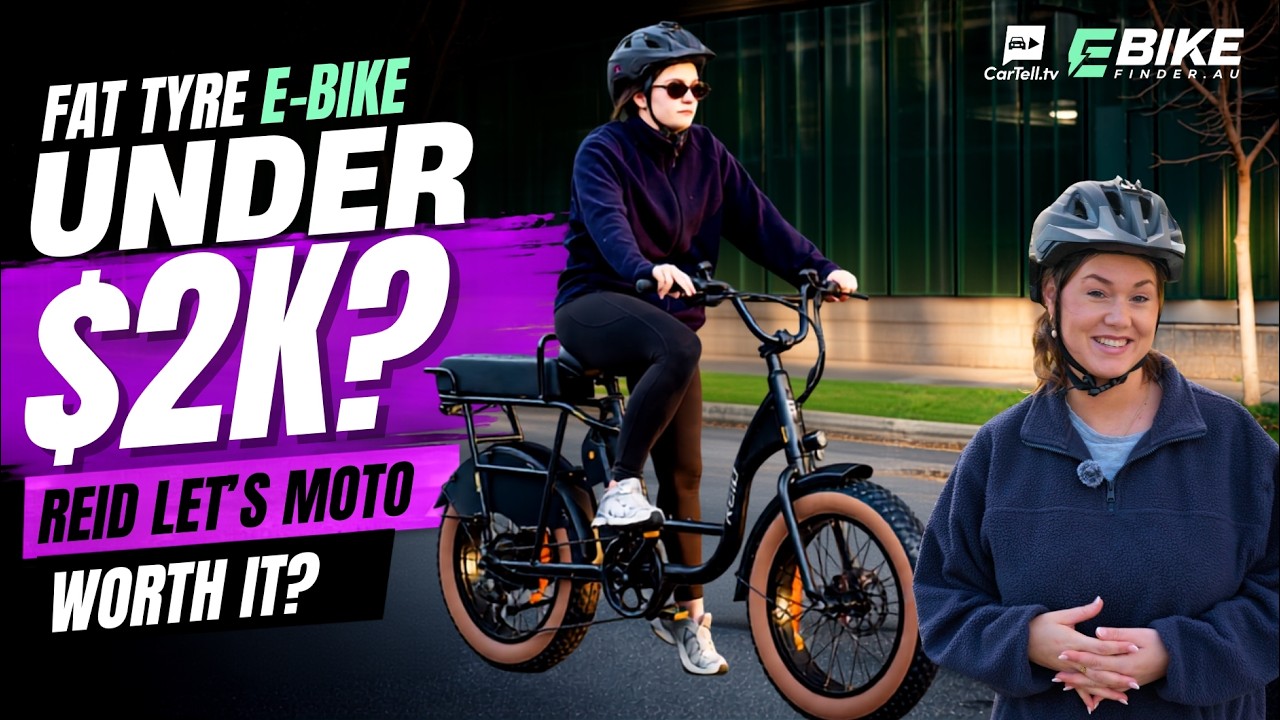
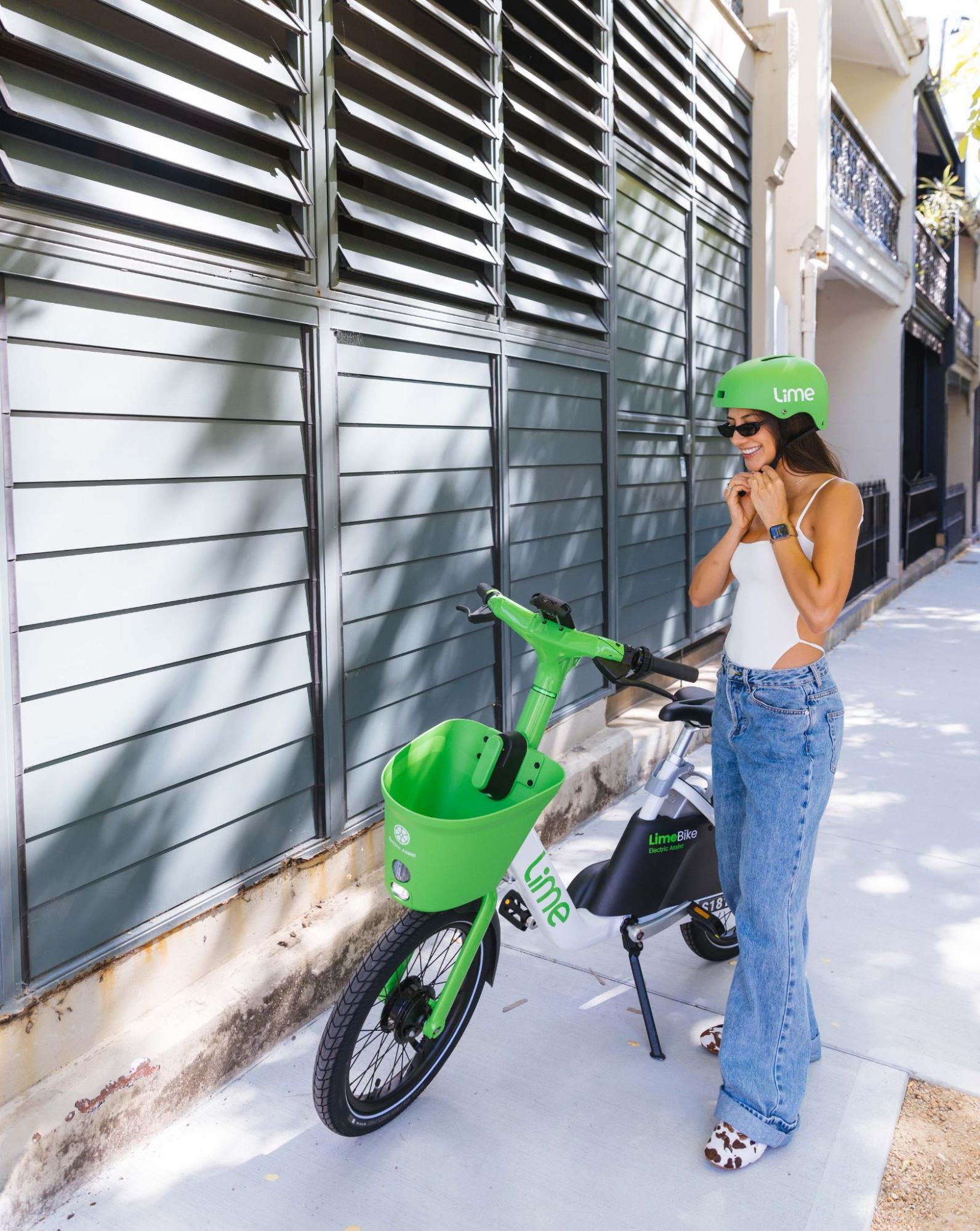
Queensland's sweeping e-mobility reset is 29 days from commencement. On 8 May, the State Development, Infrastructure and Works Committee tabled its report on the Transport and Other Legislation (Managing E-mobility Use and Protecting Our Communities) Amendment Bill 2026, recommending that the bill be passed with nine amendments. With a government majority on the floor, the bill is expected to clear parliament before 1 July. Three of the most contested provisions have been softened. The rest stays.
What the committee softened
The blanket 10 km/h footpath speed limit, the single biggest flashpoint during consultation, is gone in its current form. The committee recommended a 10 km/h cap only inside signposted high pedestrian zones. On other footpaths the 10 km/h limit applies only within 10 metres of a pedestrian. On shared paths there is no blanket cap, with the committee proposing a 15 km/h ceiling when within 10 metres of a pedestrian instead.
Existing bikes get a grandfathering clause. The committee asked for the definition of a compliant electrically power-assisted cycle to refer to whichever version of the EN 15194 standard applied when the bike was manufactured, not whichever version is current at enforcement. That removes the retroactive trap the first draft created for owners of older 250 W pedelecs sold legally before this year.
Riders who cannot hold a driver's licence, including older Queenslanders and people with disability or a medical condition, get an exemption framework. The committee also flagged separate compliance pathways for e-trikes, adaptive devices and cargo bikes that meet the 250 W and 25 km/h ceilings but do not fit cleanly under EN 15194, plus a Department of Transport and Main Roads (DTMR) assurance scheme to certify compliant bikes at minimal cost to owners.
What stays
Every other rider over 16, including international visitors and food delivery riders, will still need at least a learner's licence ($77.55 for three years) to ride a road legal e-bike or e-scooter. Under-16s are banned from public roads, footpaths and shared paths, with parents and guardians on the hook for penalties unless they can show they did not know. Police keep the power to seize and destroy non-compliant devices. Random breath testing applies to riders. Retailers and suppliers face tougher accountability if they sell non-compliant gear. A 12-month post-commencement review has been built in.
The advocacy split
Bicycle Queensland welcomed only three of the committee's nine recommendations. The grandfathering, disability and adaptive-device exemptions landed. The licensing requirement and the under-16 ban did not. BQ's April 21 inspection day at Brisbane City Botanic Gardens found 1 of 40 bikes met the proposed compliance criteria, a number worth sitting with given the bill's powers to confiscate and destroy on the spot.
Cartell Assessment
This is what a parliamentary committee actually doing its job looks like. The grandfathering clause and the DTMR assurance scheme are the practical wins, because they turn what was shaping up to be a paperwork lottery into something a regular commuter can navigate. The licensing requirement remains the loose thread. A learner's licence proves you know road rules for a car. It does not prove you can ride a bike safely. The committee chose to keep it anyway, which means the moment of truth is now policy from Minister Mickelberg's office, not the bill itself.
AU Outlook
Queensland is still the toughest jurisdiction in the country once these rules commence. NSW already harmonised to the 250 W EN 15194 standard in March. Victoria, the ACT and SA have not signalled they want to follow QLD on licensing. If the 12-month review finds the licence requirement does not move the safety needle, expect other states to quietly walk past the same idea. If it does move it, expect the licence question to land in Sydney and Melbourne by 2028.