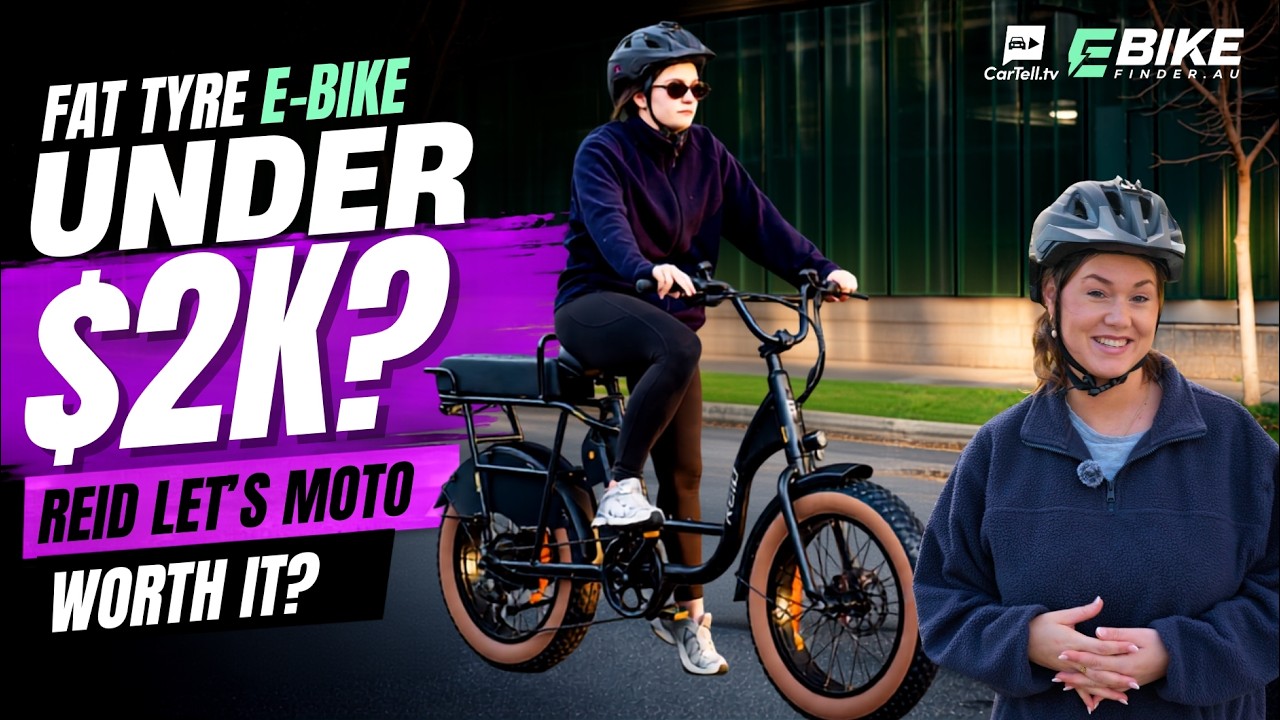
Queensland's e-mobility reform cleared parliament on June 5, 2026. July 1 is 20 days away. The bill passed with 122 amendments, on World Bicycle Day, with the opposition calling it "a dog's breakfast" and the government calling it "nation-leading." Both are doing politics. Here is what the law actually says.
What starts on July 1
Parental accountability for children under 16 riding illegally. Random breath tests for riders in public places, with the same 0.05 blood alcohol limit that applies to drivers. Fines for failing that test start above $500, with maximum court penalties reaching $6,908. Devices that can exceed 25 km/h without pedalling are banned. A 12 km/h speed limit applies near pedestrians. Higher penalties take effect for speeding, careless riding, carrying passengers, and riding a banned device on a prohibited road. Police can seize and destroy non-compliant bikes on the spot, with no return option.
The core 250W pedal-assist pedelec standard does not change. If your bike holds EN 15194 compliance and you ride it legally, July 1 is not your problem.
What starts on August 31
Licensing. Riders 16 and over will need to hold at least a Queensland learner's licence ($77.55 for three years). Those aged 12 to 17 can still ride under parental supervision. A medical exemption framework covers people who need mobility devices and do not hold a licence.
What the law still does not say
The bill passed with 122 amendments because the original text had significant gaps, and those gaps have not all been filled. Compliance labels are required, but the format and process for obtaining one remain unspecified. Food delivery riders are a large category of e-bike users: whether they will need a licence or receive a carve-out is unclear. The distinction between shared paths and footpaths in enforcement has not been spelled out.
Shane Prior, head of the Queensland Police Union, was direct about it in comments to ABC Brisbane: resources are already stretched to the limit, e-bike infringement reports will sit low on the priority list, and the logistics of transporting and storing seized lithium battery devices add layers of complexity the government has not yet addressed.
Cartell Assessment
The law is on the books. The enforcement plan is not. For the minority riding throttle-only illegal machines or doing 40 km/h on a shared path, July 1 is a genuine risk. For compliant EN 15194 pedelec riders, the practical short-term impact is limited. The six-month transition window before licensing kicks in on August 31 gives legal riders room to adjust. The bigger test is whether authorities can close the open questions before that date, when the rules apply to the majority.
AU Outlook
Queensland becomes the first state to licence e-mobility users. NSW passed its own seizure and destruction powers in May (the Road Transport Amendment (Non-registrable Motor Vehicles) Bill 2026, passed May 29), with roadside dyno units to test top speed. Both states are converging on the same core standard: 250W, 25 km/h, pedal-assisted. Compliant bikes are not the target. The regulation is squeezing out the unregistered motorcycle wearing an e-bike badge. That fight was probably overdue.