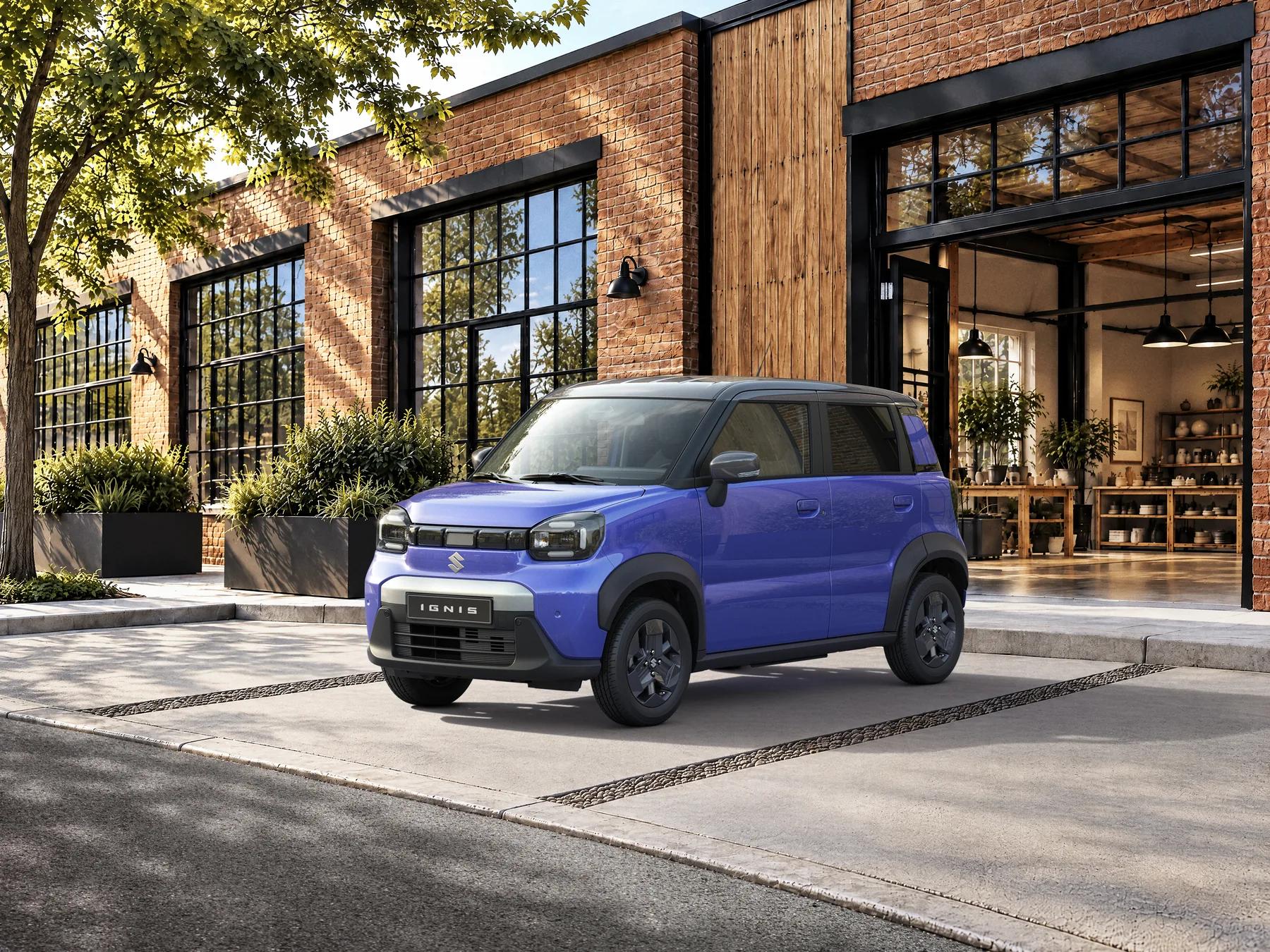
The Ignis is back, and this time it runs on batteries. Suzuki has revealed an all-new, all-electric Ignis, a boxy four-seat city car built to make the switch to an EV, in Suzuki's words, "Easy to Switch". Suzuki Australia has welcomed it, but has not yet said whether it is coming here.
What Suzuki Australia says
Suzuki Australia general manager Michael Pachota said the Ignis "has enjoyed a strong following in Australia", and that affordable, practical EVs will play an important role as the industry moves to electrification. On timing, Suzuki Australia's line is that more information on the model and its potential introduction here will come in due course. So: not confirmed, not ruled out.
The numbers
Suzuki Australia's announcement covers the basics: four seats, two-wheel drive, signature LED lighting, a floating roof and a 4.5 metre minimum turning radius, which is tighter than most small hatches. Suzuki's international details fill in the rest.
| Suzuki Ignis EV | |
|---|---|
| Battery | 26 kWh lithium iron phosphate (LFP) |
| Claimed range | 310 km (WLTP) |
| Motor | Front mounted, about 67 kW (91 hp) and 133 Nm |
| Drive | Front-wheel drive |
| Seats | 4 |
| Length | 3,570 mm |
| Width | 1,565 mm |
| Height | 1,635 mm |
| Wheelbase | 2,460 mm |
| Turning radius | 4.5 m |
| Platform | HEARTECT-e, shared with the e Vitara |
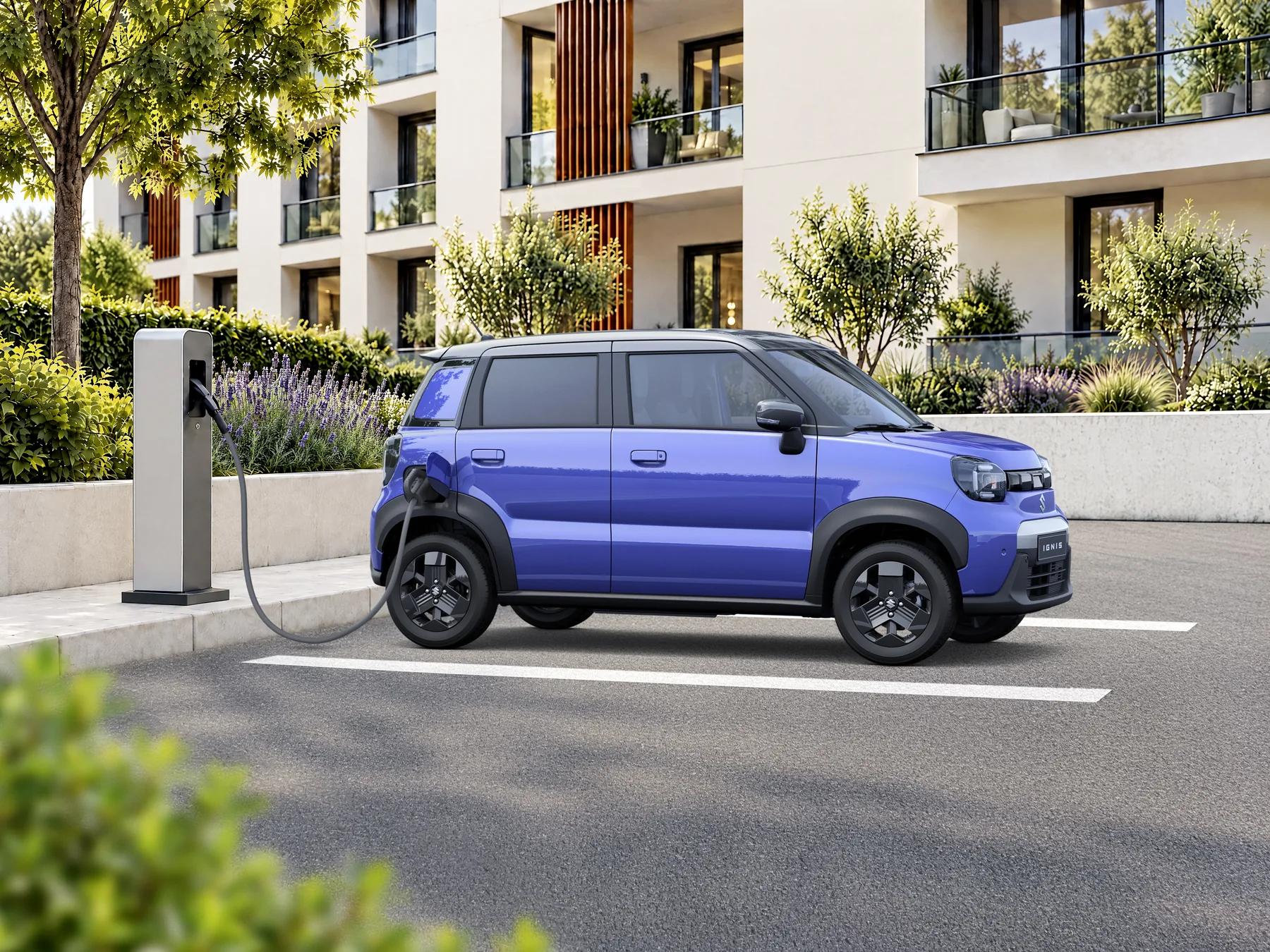
Charging figures for the international Ignis have not been released yet. The closely related Japan-market version, sold there as the e-Sky, takes up to 50 kW DC, which Suzuki quotes as 25 minutes from 0 to 80 per cent. Do not bank on those numbers for an Australian car until Suzuki confirms them.
Smaller than the old Ignis
At 3,570 mm long it is shorter and narrower than the petrol Ignis, but taller, with a slightly longer wheelbase. The shape is pure kei-car logic: a flat roof, upright sides and wheels pushed to the corners, so the cabin is as big as the footprint allows. Suzuki has kept it to four seats, which tells you this is a city car first, not a small family car.
Where it would fit in Australia
If Suzuki Australia does bring it in, the Ignis would land in the busiest corner of the EV market. The cheap end is crowded now: the BYD Atto 1 starts at $23,990, the Geely EX2 at $26,490, the Leapmotor B03X at $26,990 and the BYD Dolphin at $29,990, with the Hyundai Inster at $35,990. Prices are from our directory.
That is the problem and the opportunity. On paper, 310 km from 26 kWh is a city car range rather than a road trip range, and several Chinese rivals offer more battery for the money. Suzuki's pitch would have to be the badge, the size and the dealer network, and the price would need to sit well under $30,000 to make sense. Suzuki's current EV here, the e Vitara, starts at $47,990, so the Ignis would be a very different proposition.
For now, see our guide to the cheapest EVs in Australia for what you can buy today.
CarTell take
A small, cheap, honest EV from a brand with a long record of reliable city cars is exactly what the Australian market is missing from the Japanese side. The range is modest and the four seats limit it, but for a second car or a city commuter that charges at home, it makes sense. Whether it is worth waiting for depends entirely on the price, and Suzuki is not saying yet.
Images: Suzuki. International specifications are Suzuki's overseas figures and may differ for Australia.