Buying a first car for a new driver, or buying one yourself on your Ps? Before you look at price, check whether the car is legal for a P-plater to drive in your state. Four states ban provisional drivers from high powered cars, the rules are not identical, and the fine and demerit points land on the driver, not the seller.
Every rule below was checked against the state transport authority's own website on 24 November 2026. Rules change, so use the official check tools we link to before you hand over any money.
The short answer
In NSW, Victoria, Queensland and South Australia, a P-plater cannot drive a car with a power to tare mass ratio above 130 kW per tonne, or a car whose engine has been modified for more performance. NSW and Victoria also keep their own lists of extra banned models.
In Western Australia and the ACT, the provisional licence rules published by the state focus on passengers, night driving and plates, with no power to weight limit listed.
For Tasmania and the Northern Territory, we could not confirm a current vehicle rule on the government pages we checked, so ask Transport Services Tasmania or the NT Motor Vehicle Registry before you buy.
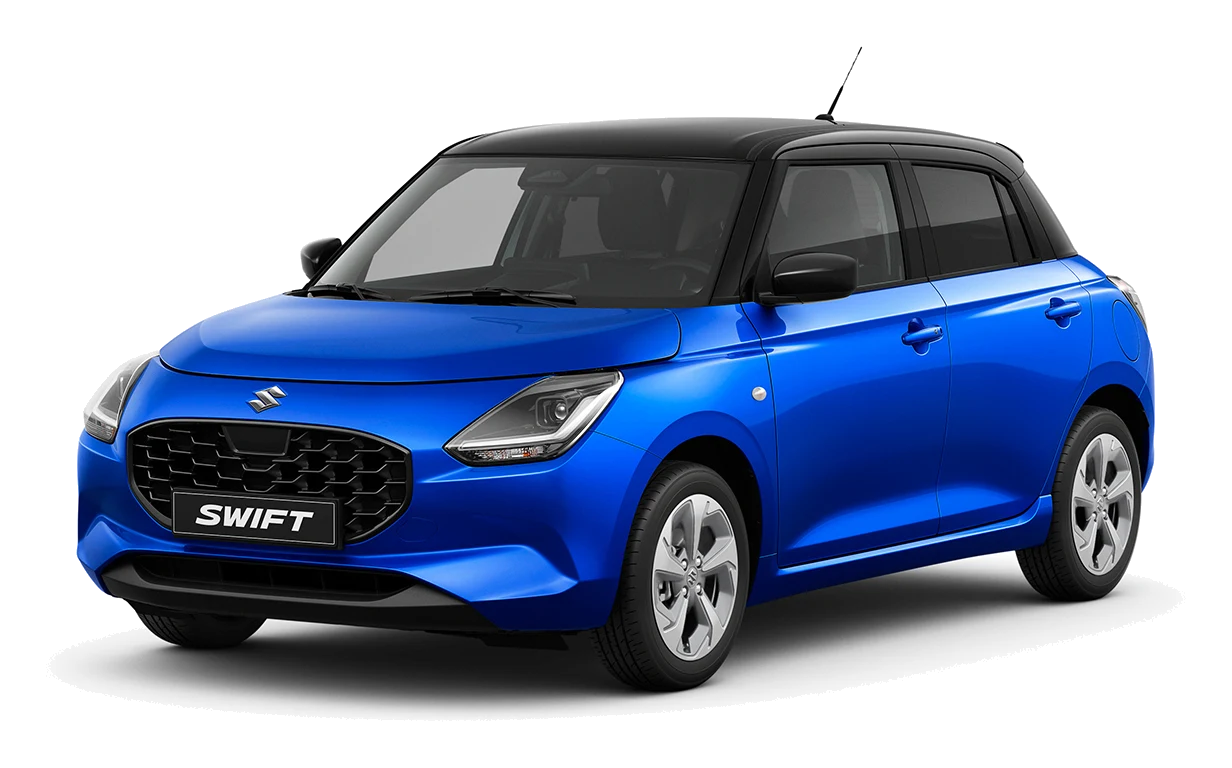
A typical small first car sits well below the limit: our worked example below puts a Suzuki Swift at less than half of it. The cars that get caught are performance models, some powerful electric cars and anything with a modified engine.
How the 130 kW per tonne rule works
Power to mass ratio is the car's maximum power in kilowatts divided by its tare mass in tonnes. Queensland's own worked example: a car with 195 kW and a tare mass of 1,667 kg comes out at 117 kW per tonne, so it is under the limit.
Three details catch people out. First, NSW does not round: a car at 130.01 kW per tonne is a high performance vehicle. Second, tare mass is the empty weight specified by the manufacturer, and you cannot change it. NSW says plainly that fitting a bull bar or tow bar to add weight, or detuning an engine to cut power, does not change a car's status. Third, for hybrids NSW uses the combined maximum system power, and for electric cars it uses the power the manufacturer specifies, so a quick dual motor EV can be off limits even though it has no engine at all.
A worked example for a typical first car: Suzuki lists the Swift Hybrid at 59.6 kW, with a minimum kerb weight of 957 kg for the automatic. Using kerb weight as a stand in, that is roughly 62 kW per tonne. Tare mass is a little lower than kerb weight, so the true figure is a touch higher, but it is still less than half the limit.
New South Wales
All P1 and P2 licence holders are banned from high performance vehicles, whatever their age, and the ban follows NSW licence holders when they drive interstate. Transport for NSW defines a high performance vehicle as one with a power to tare mass ratio above 130 kW per tonne, one with a significant engine modification, or one on its own list of models that are higher risk than their numbers suggest.
How to check: use the P1 and P2 vehicle search on the NSW Government website. Some older, new or niche cars show as "for review", in which case call 13 22 13 before you buy. Exemptions exist for genuine work use or exceptional circumstances, but they are granted rarely and you must carry the exemption letter.
Victoria
Probationary drivers cannot drive a car that is rated "banned" in the probationary vehicle database, that has more than 130 kW per tonne, or that has an engine modified for performance (unless the modification was done by the manufacturer when the car was built). A car shown as "under review" is also off limits until it has been assessed.
How to check: search the probationary vehicles database on the Victorian Department of Transport website. The ban does not apply when a fully licensed driver sits beside you and supervises, when you drive for work at your employer's request, or when you are self employed with an ABN and driving for work. A hardship exemption costs $69.90 to apply for, with supporting documents.
Queensland
The high powered vehicle restriction applies to P1 and P2 licence holders under 25. For cars built on or after 1 January 2010, a car is high powered if it has more than 130 kW per tonne or an engine modification that needs approval.
Older cars are judged differently. A car built before 1 January 2010 is high powered if it has eight or more cylinders, a turbocharged or supercharged engine that is not a diesel, more than 210 kW, a rotary engine over 1146cc, or an engine modification needing approval. A short list of small turbo cars and the Toyota LandCruiser are exempt. That matters for parents shopping used: an older petrol turbo hatch can be banned in Queensland even if its power to weight is modest.
How to check: Queensland's "check my high-powered vehicle status" tool, as a guide, plus your own calculation from the manufacturer's figures.
South Australia
High powered vehicle restrictions apply to provisional licence holders under 25. Since 1 March 2014, a car built on or after 1 January 2010 is allowed regardless of cylinders, fuel type or turbocharging, as long as its power to weight ratio is no more than 130 kW per tonne of tare mass and the engine has not been modified. Different rules apply to cars built before 2010, so check the high powered vehicles page on mylicence.sa.gov.au for older cars.
Western Australia and the ACT
Western Australia's published rules for P-platers cover plates, a midnight to 5am curfew while on red Ps, and a one passenger limit on red Ps (exemptions apply). Red Ps are displayed for the first six months, and you stay on your provisional licence for two years or until you turn 19, whichever is longer. No power to weight vehicle restriction is listed.
In the ACT, the provisional licence runs for three years. P1 drivers show red plates for the first 12 months with late night peer passenger restrictions, then green plates for two years. Again, no vehicle power restriction is listed in Access Canberra's licence conditions.
Remember that a NSW P-plater driving in WA or the ACT still carries the NSW ban.
What to buy instead
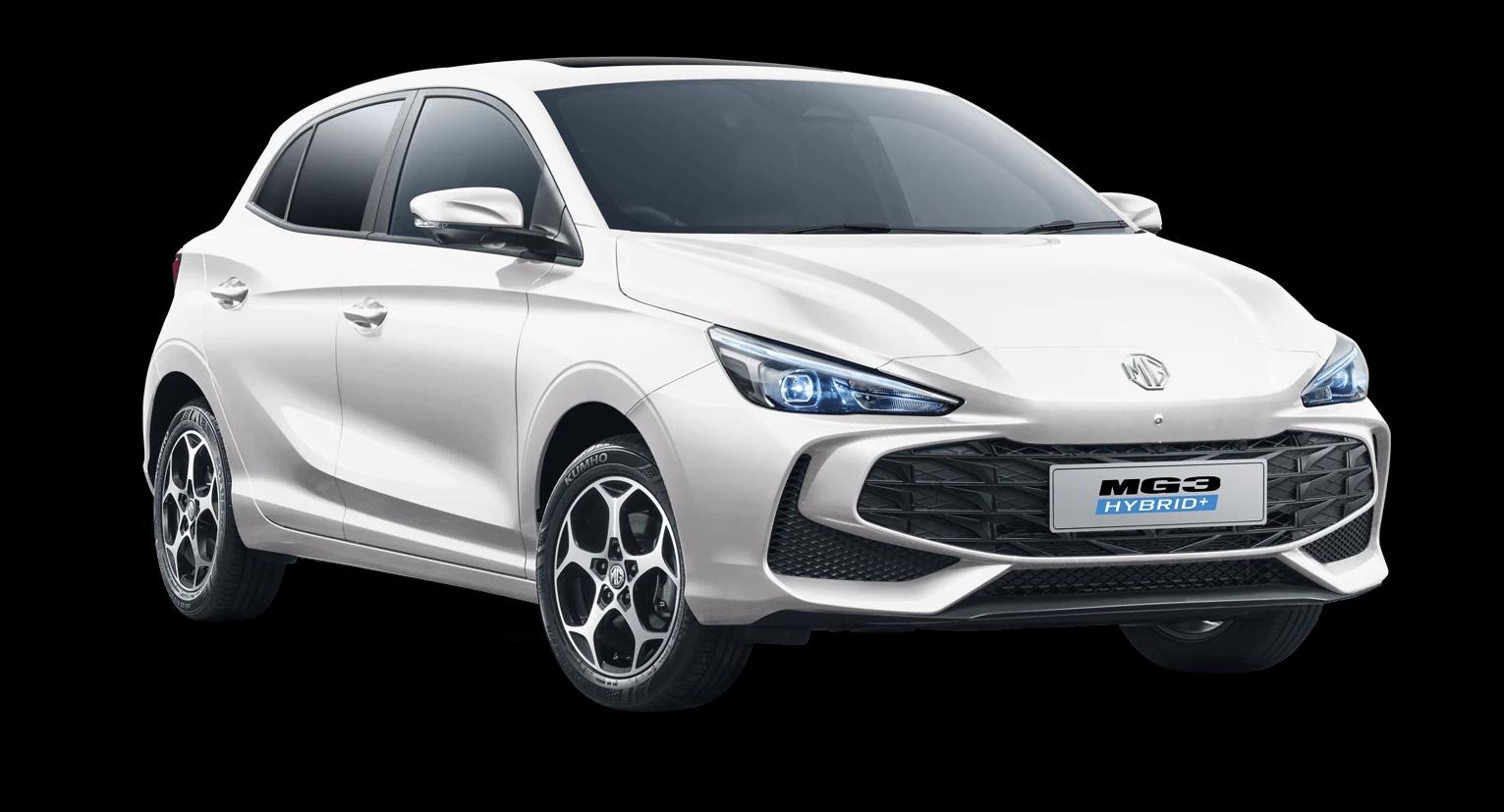
The safe bet is a small, efficient car with a five star ANCAP rating and autonomous emergency braking. Small, modestly powered cars like these are the least likely to hit the power limit, and they are cheap to run, but still run your pick through the official check tool. Our best first car guide has the shortlist, including the MG3, Kia Picanto, Suzuki Swift, Toyota Yaris, Toyota Corolla and Mazda3.
For more choice, see the cheapest new cars in Australia, the best small hatchbacks, the safest cars ranked by ANCAP score and the cheapest cars to own and run. If an electric car is on the list, start with our cheapest EVs guide and run each one through your state's check tool, because EV power figures can be high.
Treat our affordable sports cars guide with care. Cars like the Toyota GR86 and Subaru BRZ are exactly the kind of car to run through the official tool before a P-plater gets the keys.
Cartell Assessment
The rule is simpler than it looks: divide power by tare mass, and stay well clear of 130. The traps are the edge cases, which are hybrids and EVs where combined power counts, older turbo petrol cars in Queensland, and any car with a modified engine. If you are a parent buying used, ask for the exact model and year, check it on the official tool in the driver's state, and keep a screenshot of the result with the paperwork.
AU Outlook
Expect more cars to land in "for review" or "under review" as new electric and plug-in hybrid models arrive, because their power figures and weights are new to the databases. School leavers getting licences over summer should check before they buy, not after.