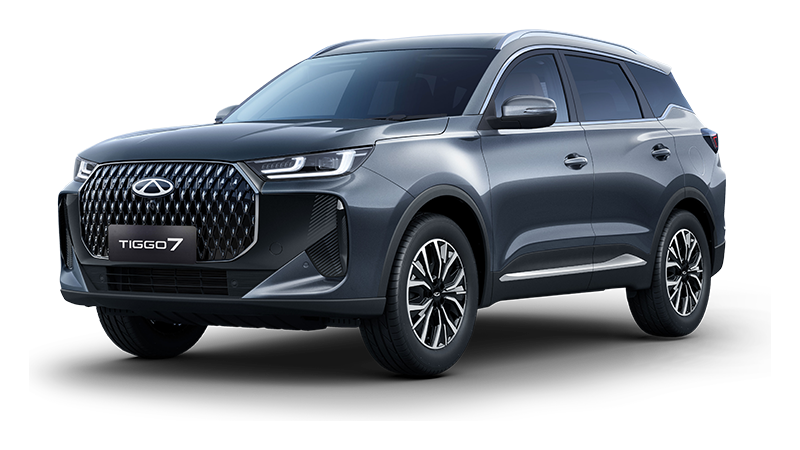
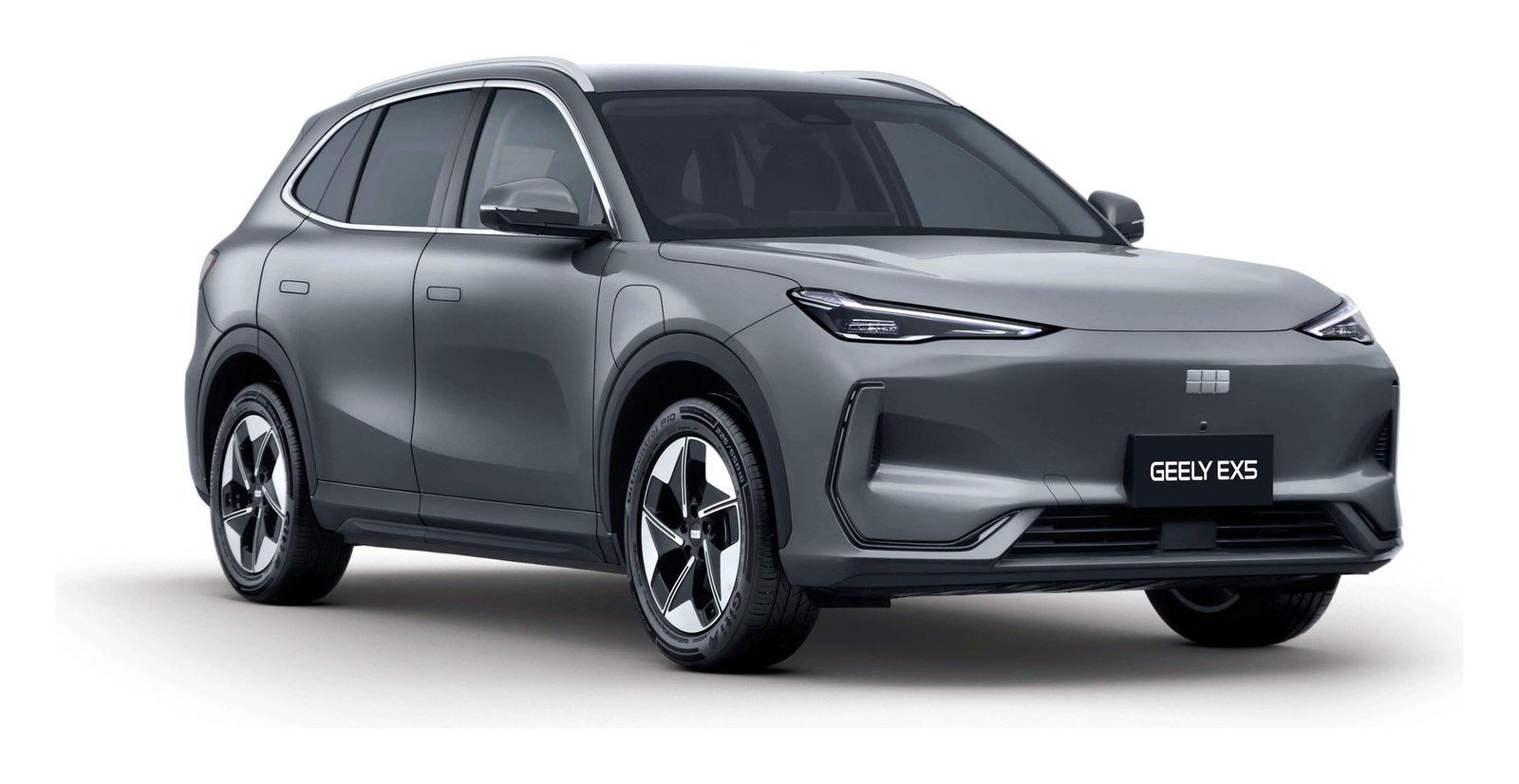
The plug-in hybrid ute went from novelty to sales phenomenon in under two years, and in 2026 there are three serious ways to spend your money: the BYD Shark 6 that started the stampede, the Ford Ranger PHEV that brings the segment favourite into the fight, and the GWM Cannon Alpha PHEV that quietly out-specs both on paper. They take three genuinely different engineering approaches, which means the right answer depends on what you actually do with your ute. Prices and specs below were checked against manufacturer sources on 1 September 2026, with the pricing basis stated for each, because a drive-away price and a list price are not the same thing.
The contenders and what they cost


The BYD Shark 6 is now a three variant family. The Premium pick-up lists at $57,900 plus on-road costs, the new Dynamic cab chassis undercuts it at $55,900, and the 350kW Shark 6 Performance tops the range at $62,900, all plus on-roads. BYD's configurator turns those into state-by-state drive-away figures, so budget roughly $3,000 to $4,000 on top.
The Ford Ranger PHEV reshuffled its range for 2026: a new XL entry grade opens at $59,000 drive-away as an introductory offer, the Sport sits at $66,000 drive-away and the Wildtrak at $70,000 drive-away. Ford has leaned hard on drive-away deals for this ute, cutting up to $20,000 from its original launch pricing, so check the current offer before you walk into a dealer. Ford has not published separate list pricing for the updated range.
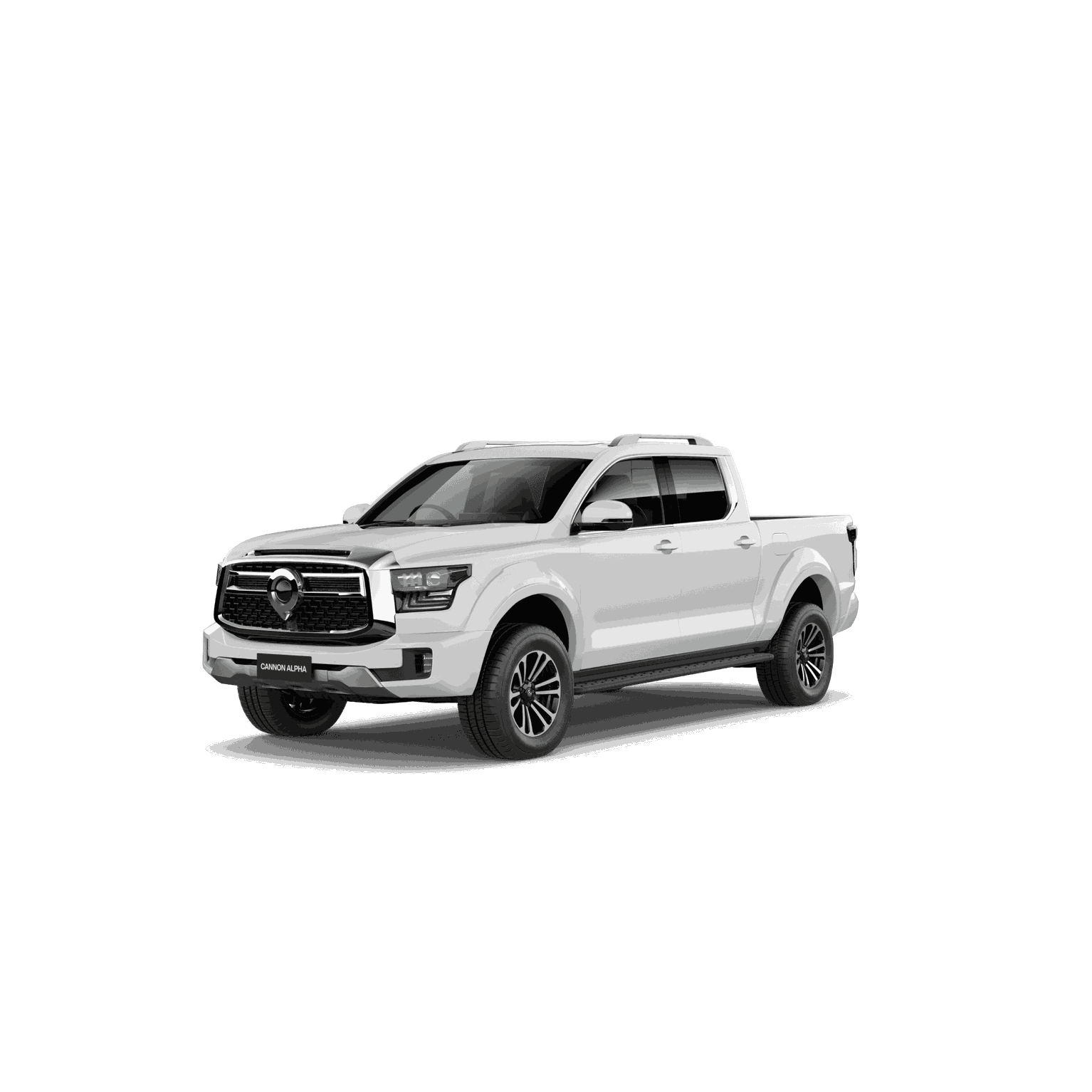
The GWM Cannon Alpha PHEV has moved the other way. GWM has dropped the Lux PHEV, and the plug-in Cannon Alpha now comes only as the Ultra PHEV at $67,990 drive-away. The cheaper way into GWM's Hi4-T plug-in system is now the smaller Cannon Hi4-T, from $50,990 drive-away. We rated this ute highly in our full Cannon Alpha PHEV review.
Powertrains: three different answers
The Shark 6 pairs a 1.5 litre turbo petrol engine with two electric motors for 321kW and 650Nm in Dynamic and Premium guise, good for 0-100km/h in a claimed 5.7 seconds. The Performance swaps in a 2.0 litre turbo for 350kW and 700Nm and a 5.5 second sprint. Nothing else at this price moves like it.
The Cannon Alpha PHEV runs a 2.0 litre turbo petrol engine and a single motor through a proper 9 speed automatic and a Borg Warner transfer case with low range, for 300kW and 750Nm combined. It is the only ute here with front and rear locking differentials as standard, which is why it is the pick for genuine off-road work. Its Hi4-T system has since spawned a cheaper Cannon PHEV too.
The Ranger PHEV is the mild one on paper: a 2.3 litre turbo petrol engine and a 75kW motor for 207kW and 697Nm. What the numbers hide is that it drives like a Ranger, which is still the benchmark for steering, ride and towing manners in this class, the same fundamentals that keep it on top in our Ranger vs HiLux comparison.
Electric range and charging
This is where the three approaches split hardest. The Cannon Alpha PHEV carries the biggest battery, 37.1kWh, for a claimed 115km of pure electric range on the NEDC cycle, and it can DC fast charge at up to 50kW. The Shark 6 runs a 29.58kWh Blade battery for a claimed 100km NEDC and also supports DC fast charging. The Ranger PHEV makes do with 11.8kWh and a claimed 49km NEDC, and there is no DC charging at all, you top it up on AC or let the engine do it.
Think about your week before you judge them. If your daily running is under 40km and you can plug in overnight, all three will do most of your commuting on electricity. If you want a ute that behaves like an EV from Monday to Friday, the GWM and the BYD are the honest choices. The Ranger's smaller battery is really there for site power and short electric hops, not electric commuting.
All three offer vehicle-to-load so you can run tools, a fridge or a campsite from the tray. Ford's Pro Power Onboard offers up to 6.9kW through built-in power outlets, GWM quotes up to 6kW with the V2L accessory cable, and the Shark 6 has V2L as standard. If you are buying through work, the fringe benefits tax picture for PHEVs changed in 2025, and our novated lease explainer walks through what that means for salary packaging one of these.
Towing and work
The headline numbers first: the Ranger PHEV and Cannon Alpha PHEV both claim the full 3,500kg braked towing rating. The Shark 6 Dynamic and Premium are rated at 2,500kg, and only the Performance flagship gets to 3,500kg. If you tow a big van or a car trailer regularly, that alone rules the cheaper Shark 6 variants out.
The finer print matters just as much. Check payload against your real load, because a tub full of tools plus a heavy towball download eats these ratings quickly, and a PHEV carries a few hundred kilos of battery before you add anything. The Ranger remains the one engineered most obviously around work duty, the Cannon Alpha gives you the hardware for serious off-road touring, and the Shark 6 is happiest as a fast family ute that tows sensibly rather than maximally.
Warranty and ownership
GWM wins this round outright: 7 years with unlimited kilometres, plus 7 years of roadside assistance and capped price servicing. BYD covers the Shark 6 for 6 years or 150,000km with an 8 year, 160,000km traction battery warranty. Ford runs 5 years with unlimited kilometres. The Shark 6 and Cannon Alpha PHEV both carry 5 star ANCAP ratings.
Which one should you buy?
Buy the Shark 6 if you want the most performance and polish per dollar. At $57,900 plus on-roads for the Premium it undercuts almost everything with this much power, and the cabin still feels like the segment's tech leader.
Buy the Cannon Alpha PHEV if you tow, tour or leave the bitumen. The 3,500kg rating, low range, twin diff locks, class-best electric range and 7 year warranty make it the most complete package here, but at $67,990 drive-away for the only remaining grade, the Ultra, it is now the dearest of the three to buy.
Buy the Ranger PHEV if you already know why you want a Ranger. It is the best ute of the three to drive and to tow with, and the $59,000 drive-away XL offer finally makes it price-competitive, but you accept the smallest battery and the shortest electric range in the class.
One more thing worth knowing before you sign: this segment is moving fast. MG's U9 ute is now on sale as a diesel from $52,990 drive-away, with a hybrid still under consideration for 2027, GWM's smaller Cannon Hi4-T has arrived from $50,990 drive-away, and BYD keeps sharpening Shark 6 pricing with periodic cashback offers. If none of these three quite fits, waiting six months will only give you more choice.