In August 2026, for the first time anywhere in Australia's sales history, battery electric cars were the number one thing people bought. Not the number one EV month. The number one fuel type, full stop, ahead of petrol, ahead of diesel, ahead of hybrid. We covered the milestone when the numbers dropped in EVs become Australia's number one fuel type. This guide is about the question that follows: what does it actually mean for you, the person buying a car in the next year or two? Every figure below was checked on 11 September 2026 against the FCAI's official VFACTS release, ACCC fuel price monitoring and published government policy, with the basis stated where it matters.
The number that changed
The FCAI's August release puts it plainly. Across all reporting sources, 27,089 battery electric vehicles were delivered in August, which is 24.9 per cent of the entire new vehicle market and a 171 per cent jump on August last year. It was the highest number of EVs ever sold in one month in this country. Within the FCAI's own VFACTS count of 100,939 sales, plug-in hybrids took another 10.5 per cent and conventional hybrids 18.5 per cent, which means more than half of everything sold in August had a battery doing at least some of the work.
One month is not a trend on its own. But August did not come from nowhere: July was a record too, and EV share has been stepping up every quarter as cheaper models arrive. The direction is set. The only real question is the slope.
Who is actually buying electric
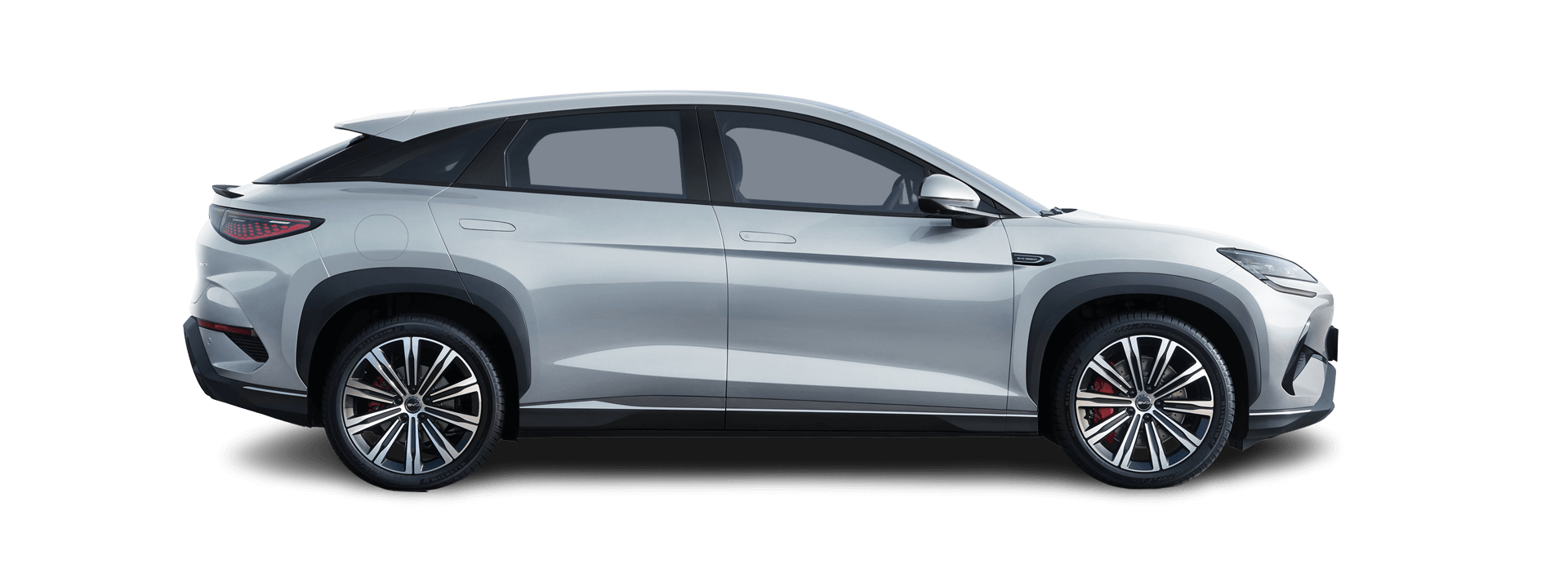
Two groups are driving this, and knowing which one you belong to matters. The first is private buyers chasing value, and they are overwhelmingly buying Chinese. Five Chinese brands (BYD, GWM, MG, Geely and Chery) sat in the top ten in August with 26,610 combined sales, 26.4 per cent of the VFACTS market, and the BYD Sealion 7 cracked the top five models outright. The price war at the bottom of the market is real: our cheapest EVs guide counts seven electric cars under $40,000, and offers like MG's zero per cent finance on the S5 EV, which ran to 30 September, show how hard brands are stacking deals on top.
The second group is novated lease and salary sacrifice buyers, and they exist because of a tax rule with a use-by date, which we get to below. Between the two, the Tesla Model Y outsold every other vehicle in the country in August, RAV4 and HiLux included. When an EV tops the total sales chart in a market this ute-and-SUV obsessed, the early adopter phase is over.
What it does to your petrol car's resale
Here is the uncomfortable part nobody puts in the brochure. Resale value is a function of future demand, and August is evidence of where future demand is going. If one in four buyers is choosing electric today, the pool of people wanting to buy your petrol car in five years is smaller than the pool that existed when you bought it. That does not make petrol values collapse overnight, and utes, 4WDs and anything with a tow rating will hold demand far longer than a petrol city hatch or a mid size petrol SUV, the segments where EVs compete hardest right now.
Two honest caveats. Used EV values have had their own rough ride, because every new price cut from BYD, MG or Tesla drags the used market down with it, so an EV bought today is not immune to depreciation either. And hybrids are the quiet winner of this transition: strong demand, no charging anxiety, and the Toyota RAV4 still second on the sales charts. If you are torn on the fundamentals, our hybrid vs electric guide works through which technology suits which driveway.
Running cost reality check

The maths, with the assumptions in the open. A typical mid size electric SUV uses around 15kWh per 100km in the real world. Charge it at home on a standard single rate tariff of about 30 cents per kWh and you pay roughly $4.50 per 100km. A petrol SUV using 8L per 100km, with unleaded around $1.70 a litre per the ACCC's mid 2026 monitoring, costs about $13.60 over the same distance. Over 15,000km a year that is roughly $675 against $2,040, a saving in the order of $1,300 a year before you touch servicing, and EVs need less of that too.
Now the fine print. That saving assumes you can charge at home, on your own driveway or in your own garage. Rely on public fast charging and you pay roughly double to triple home rates, which shrinks the gap to the point where a hybrid can be cheaper to run. Off-peak and dedicated EV tariffs push the other way and make home charging cheaper still. The rule of thumb: home charging makes an EV cheap to run, public charging makes it merely competitive. If you cannot charge where you sleep, think hybrid first.
Buy now or wait
Waiting has usually paid off for EV buyers, because prices have fallen relentlessly. But there are three concrete reasons the calculus tilts toward sooner rather than later if you are ready.
First, the tax clock. The fringe benefits tax exemption that makes novated EV leases so cheap runs in its current full form until 31 March 2027. The government has announced that from 1 April 2027 the full exemption is limited to EVs priced at $75,000 or less, with vehicles above that getting a 25 per cent discount instead, and from 1 April 2029 every eligible EV drops to the 25 per cent discount. Existing leases are grandfathered, so a lease signed now keeps its treatment. If a novated lease is your path in, the window for the best version of the deal is closing, and it is worth a conversation with your accountant before the March 2027 deadline.
Second, the deals are the price cuts. Launch pricing, free charger bundles, cashbacks and zero per cent finance are how brands are fighting for August-style numbers, and safety is no longer the trade-off it was: witness the five star ANCAP results for the sub $40k Leapmotor B05 and Geely EX2 under the tougher 2026 criteria.
Third, choice has never been wider. The BYD Atto 3 Evo is landing from $41,990, Mazda has opened CX-6e orders from $53,990, Tesla has added the six seat Model Y L from $74,900, and the mid size fight is sharp enough that we wrote a whole Xpeng G6 vs Tesla Model Y comparison about it.
The honest case for waiting: if you cannot charge at home, if you tow heavy, or if your annual kilometres are low enough that fuel savings barely register, nothing in August's numbers forces your hand. Prices will keep drifting down and the charging network will keep growing. A plug-in hybrid ute or a strong hybrid SUV from our best family SUVs guide may fit your life better right now, and that is fine.
Cartell verdict
August 2026 was the month the default flipped. Buy an EV now if you can charge at home, you drive a normal amount or more, and especially if you can get in through a novated lease before the FBT rules tighten in March 2027: the running cost maths is decisively in your favour and the model choice has never been better. Stick with hybrid if you cannot charge where you live or you tour and tow beyond the network. And if you are holding a petrol car you planned to sell eventually, eventually just got closer: the market that buys it from you is shrinking by the month, and August was the first month you could see it in the headline number.