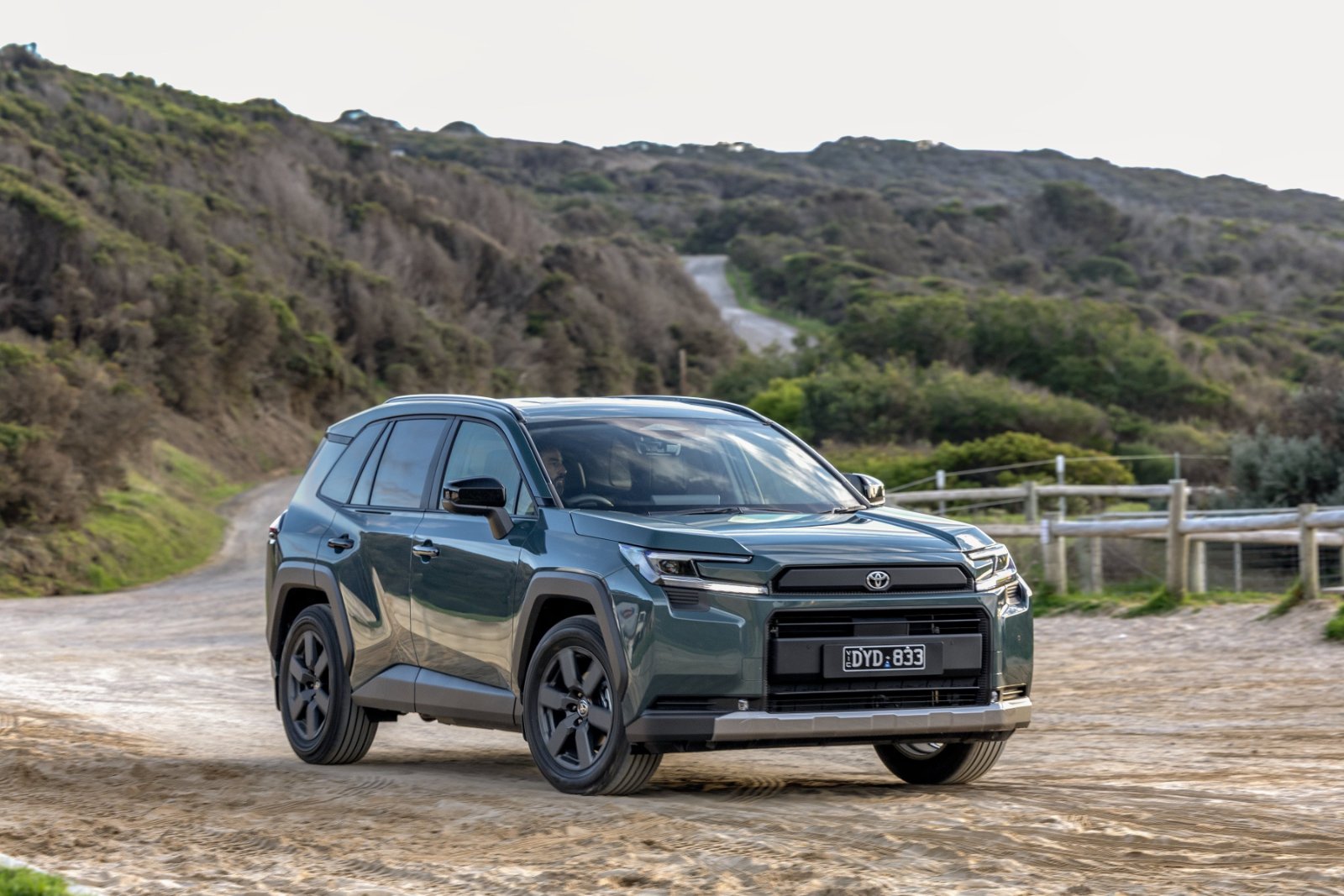
Australia's favourite SUV finally has a plug, and it lands with a very specific question attached. The all-new Toyota RAV4 PHEV opens at $58,840 plus on-roads, and in XSE AWD form it costs exactly $5,000 more than the same car as a standard hybrid. This guide runs the actual maths on that gap, and lines the plug-in RAV4 up against the two rivals every buyer will cross-shop: the BYD Sealion 6 and the Mitsubishi Outlander PHEV. All prices were checked against manufacturer sources on 15 September 2026.
What the RAV4 PHEV costs and what you get
The plug-in range is three variants: XSE 2WD at $58,840, XSE AWD at $63,340 and the flagship GR Sport AWD at $66,340, all plus on-road costs, and the XSE wears mandatory premium paint at $675. The wider RAV4 range opens at $45,990 for the GX 2WD hybrid, so the cheapest plug-in carries a $12,850 premium over the cheapest RAV4 of any kind.
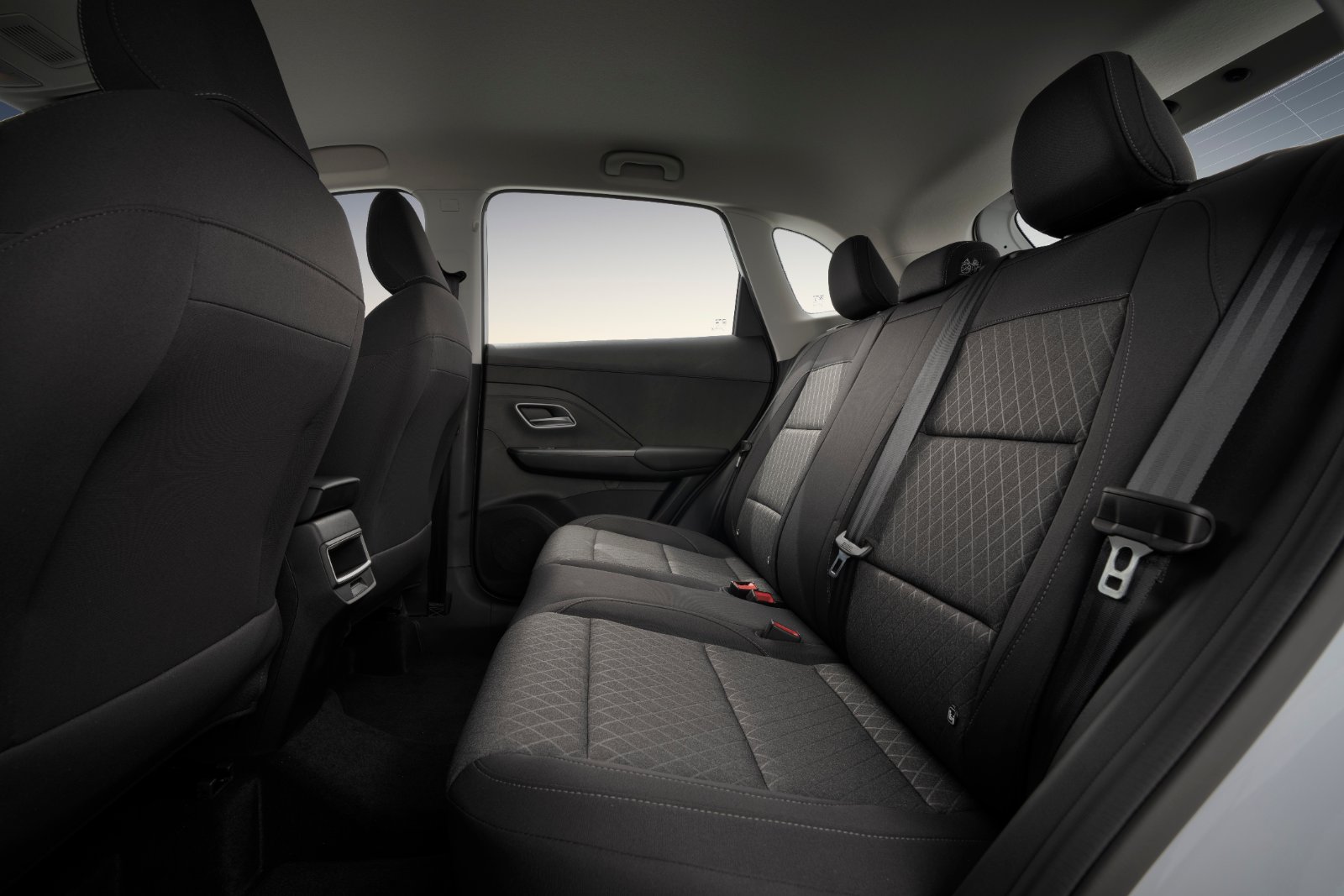
Your money buys the most powerful RAV4 ever sold here. The 2.5 litre petrol engine pairs with a front electric motor for 200kW combined in the 2WD, and the AWD versions add a rear motor for 227kW, against 143kW for every standard hybrid. The battery is a 22.7kWh lithium-ion pack with 50kW DC fast charging and 11kW three-phase AC charging, and the PHEV gains a 1500W inverter in the boot that will run camping gear or power tools. The trade-offs are small: boot space drops from 705 litres in the hybrid to 655 litres, and braked towing is 1500kg for AWD versions and 800kg for the 2WD, same as the hybrid.
One thing to know before you sign: the new RAV4 arrived without an ANCAP rating. It carries Toyota's latest Safety Sense suite and eight airbags, but the independent star rating was still blank at the time of writing, so check the current status if that matters to you.
How far it really goes on a charge
Toyota Australia quotes up to 154km of electric range for the 2WD and 144km for the XSE AWD, but both figures are NEDC, the older lab cycle that flatters plug-ins. On the stricter WLTP cycle used in Europe, the same powertrain rates about 100km. Treat 100km as the honest planning number and anything more as a bonus.
That still resets the segment. It covers a typical Australian commute several times over, and the 50kW DC port means a 10 to 80 per cent top-up on a road trip is a coffee stop rather than an overnight affair. Most rivals with plugs charge at 6.6kW AC or less, so the RAV4's charging hardware is a genuine advantage.
PHEV vs the standard hybrid: the payback maths
The clean comparison is XSE AWD against XSE AWD: $58,340 for the hybrid, $63,340 for the plug-in, a gap of exactly $5,000.
Here is the maths, with the assumptions stated. The hybrid officially uses 4.6L/100km in AWD form, and it wants 95 RON, which is sitting around $1.90 a litre in the capitals, so call it $8.75 per 100km. The PHEV's 22.7kWh battery costs about $6.80 to fill on a typical 30 cent flat home tariff, and covers roughly 100km of real driving. On that tariff you save about $2 per 100km, or around $300 a year over 15,000km of mostly electric driving. At that rate the $5,000 gap never pays for itself.
The picture flips with cheap power. On an off-peak EV plan at around 8 cents, a full charge is about $1.80 and the saving grows to nearly $7 per 100km, call it $1,000 a year at the same mileage. Now the gap pays back inside five years, and faster again if you charge from your own solar. One caution for salary packagers: plug-in hybrids lost the fringe benefits tax exemption on 1 April 2025, so the novated lease shortcut that still applies to full EVs until April 2027 does not apply here.
So the hybrid or the plug-in comes down to your power bill. Off-street parking plus an off-peak tariff or solar makes the PHEV the smarter buy. Street parking and full grid rates make the standard hybrid the better car for you, and there is no shame in that maths.
RAV4 PHEV vs Sealion 6 vs Outlander PHEV
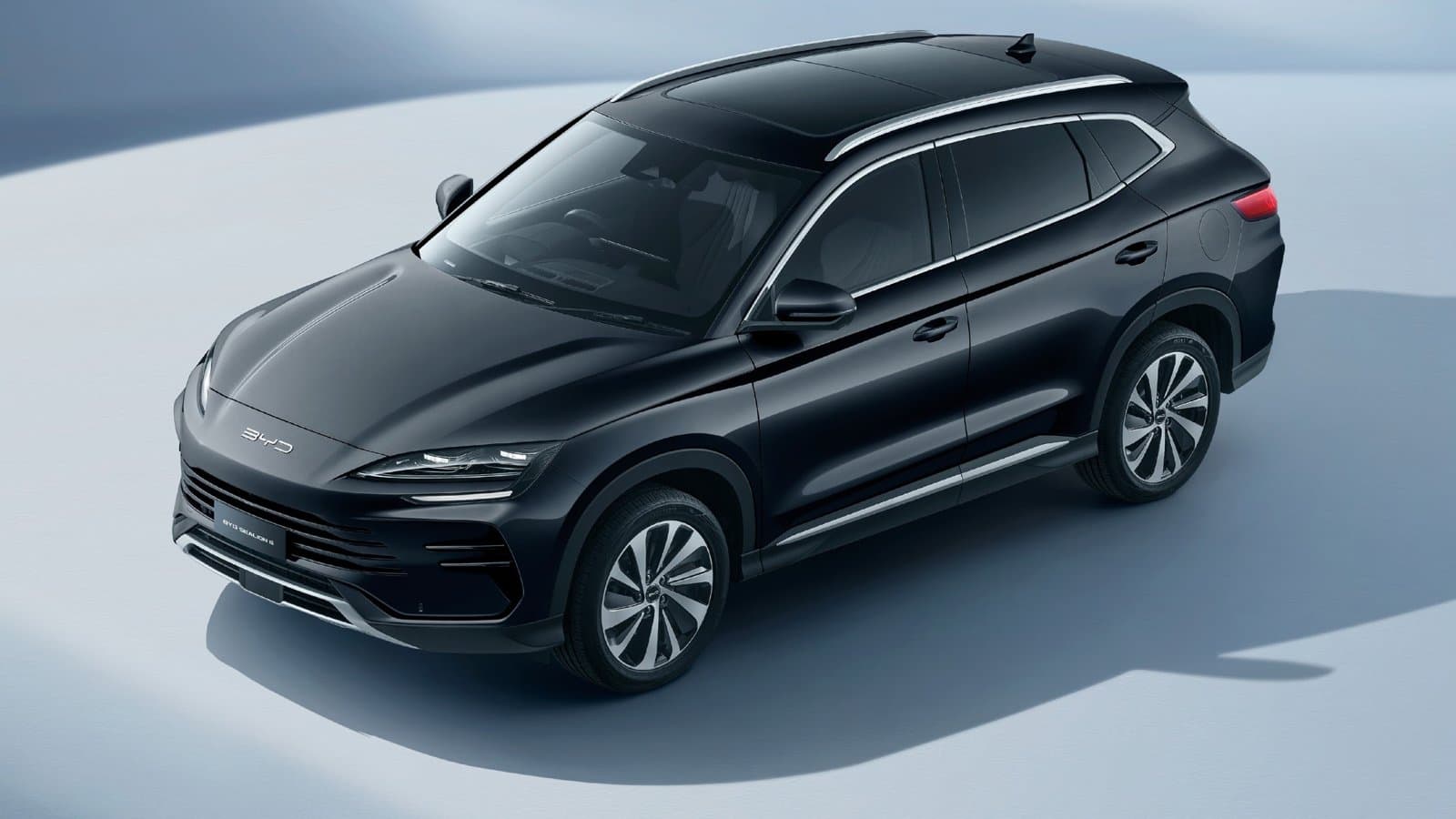
The BYD Sealion 6 wins the price fight before it starts. The range runs from $42,990 for the Essential 2WD, through $46,990 for the Dynamic Extended with 140km of NEDC electric range, to $52,990 for the 253kW Premium Extended AWD, all plus on-roads. That flagship undercuts the entry RAV4 PHEV by $5,850 while out-powering the GR Sport. The catch is the warranty, six years or 150,000km on the car (the battery gets eight years or 160,000km), and a brand still building its service footprint. BYD also sells Australia's cheapest PHEV, the $33,990 Sealion 5, if budget is the whole question.
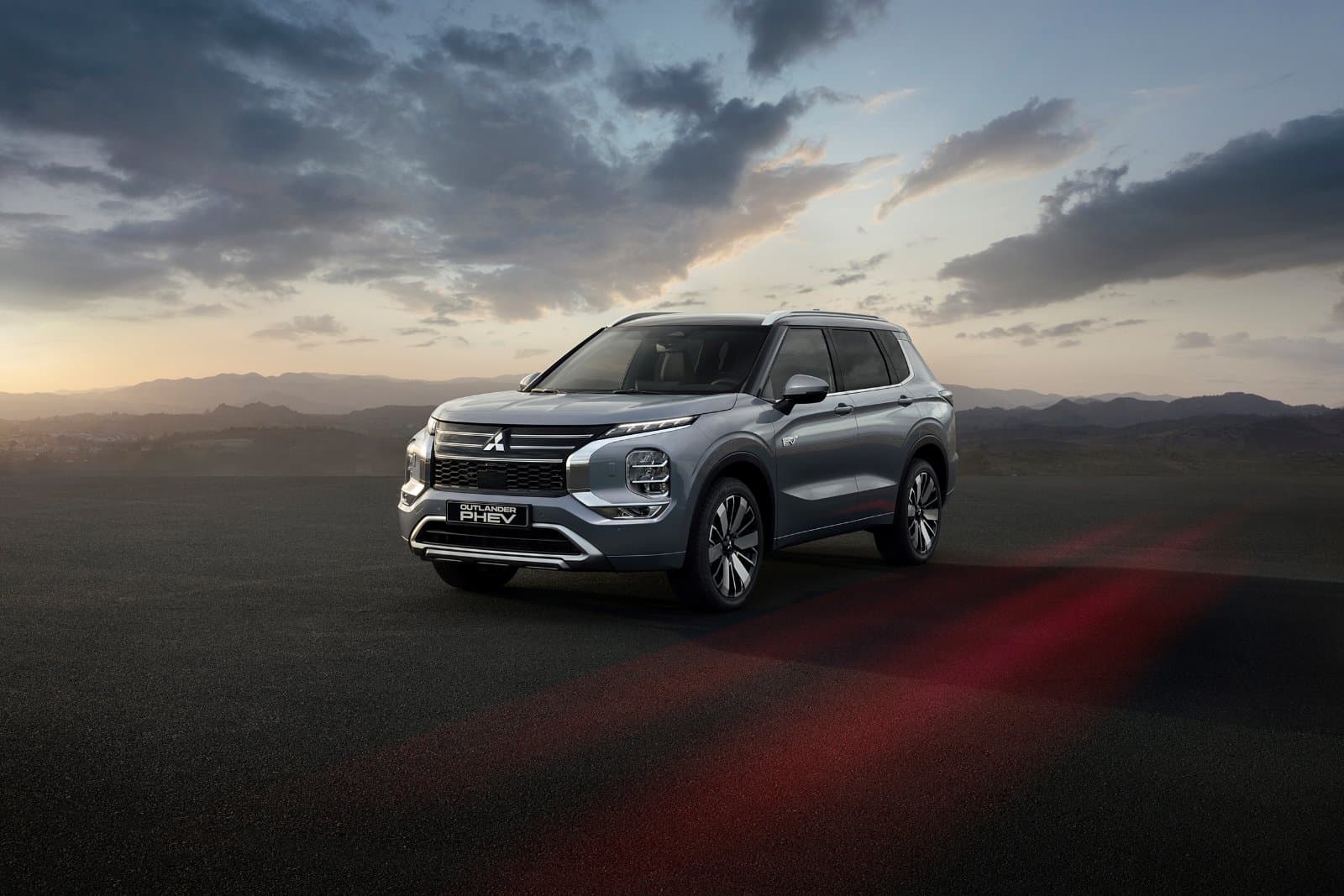
The Mitsubishi Outlander PHEV is the veteran of the segment, freshly updated with the same 22.7kWh battery capacity as the Toyota and 103km of NEDC electric range (86km WLTP). It runs from $58,990 for the ES to $74,490 for the Exceed Tourer plus on-roads, so it is priced against the RAV4 rather than under it. Its cards are Super-All Wheel Control, the only seven-seat option in this trio (the Aspire is a 5 plus 2), and Mitsubishi's conditional 10 year, 200,000km warranty, the longest in the class if you service on schedule at a Mitsubishi dealer.
The Toyota's counters are the most power per dollar of the three at the top end, the strongest resale record in the segment, the biggest dealer network in the country, and charging hardware the Outlander cannot match. Toyota's warranty is five years with unlimited kilometres, extending to seven on the engine and driveline with logbook servicing, and up to 10 years of battery cover with annual health checks.
Wait times and the order question
Toyota took around 10,000 orders before the first car arrived in late June, and demand looks set to outrun supply well into 2027. If the RAV4 PHEV is your car, the order book is the place to be, and a less popular colour or the XSE 2WD may land sooner than a GR Sport. If you cannot wait, the Sealion 6 is in showrooms now, and the Kia Sportage S Hybrid at $44,490 drive-away and the incoming 180kW Tucson Hybrid both attack the standard RAV4 hybrid from below.
Cartell verdict
Buy the RAV4 PHEV if you have a driveway, cheap overnight power or solar, and a commute inside 100km: it is the best-rounded plug-in SUV on sale and the maths genuinely works. Buy the standard RAV4 hybrid if you park on the street or pay full grid rates, and bank the $5,000. Buy the Sealion 6 if the budget rules, and the Outlander PHEV if you need seven seats or want the longest warranty in the class. Still deciding what kind of electrified car suits you? Start with our hybrid vs electric guide, see how the RAV4 stacks up against petrol rivals in RAV4 vs X-Trail vs Sportage, or browse the full field in our best hybrid SUVs for 2026 rundown.